Coughing, sneezing and bed-making can all release microbial aerosols into the environment, which are carried and dispersed by air movement. Each poses a significant hazard for airborne infection control.
Inhalation of these particles, particularly amongst weakened or immune-compromised patients, is to be avoided. Airborne Infection Control can be difficult to maintain through the exclusive use of whole hospital HVAC heating ventilation and air conditioning systems, where certain areas require more effective cleaning.
The three main classes of infectious agent are bacteria, fungi, and viruses. Many species from each class are responsible for healthcare-associated infections. Some of the more important are highlighted below.
Bacteria Methicillin-Resistant Staphylococcus Aureus (MRSA) is dangerous because it is not treatable by many commonly-used antibiotics. In vulnerable patients, MRSA can cause life-threatening blood infection (septicaemia) which can spread to vital organs.
Pseudomonas aeruginosa (P. aeruginosa) is a bacterium found in soil and stagnant water which can cause serious infection among people with cystic fibrosis and those with weakened immunity. Premature babies and people with severe burns are also at risk (P.aeruginosa accounted for the deaths of three babies in Belfast's Royal Jubilee Hospital in January 2012). The bacterium is tough and can survive for some time on a contaminated surface. The Health Protection Agency reports around 4,000 cases a year, mostly among babies and the elderly.
Clostridium difficile (C. diff) is the most common cause of debilitating diarrhoea in the hospital setting and in care homes. It spreads when people touch an infected person or a contaminated surface.
Fungi/spores Aspergillus is the most important fungus giving rise to infection in the healthcare setting. Its spores are found everywhere, and particularly in damp conditions. Aspergillosis (infection of the lungs with Aspergillus) can be dangerous for those with compromised immunity and poses a serious threat to any airborne infection control regime.
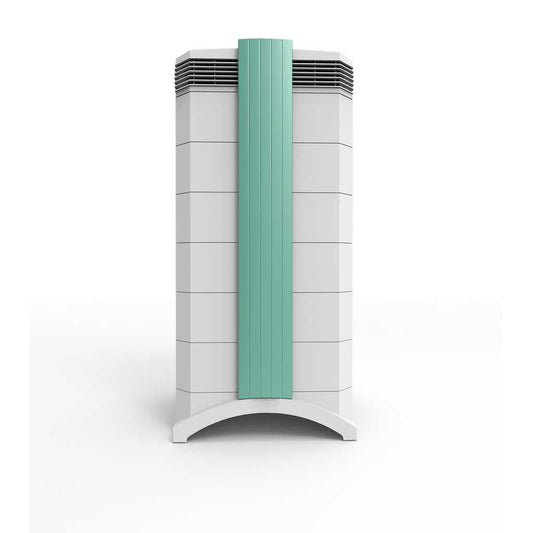
The use of IQAir mobile air purification units enables clinical staff to position units wherever there is a specific need – for example in areas with suspected TB patients, waiting and reception areas, or patient rooms for transplant or immuno-compromised patients.